The Project has 3 main goals. The enclosures you see are part of goal 1.
The main
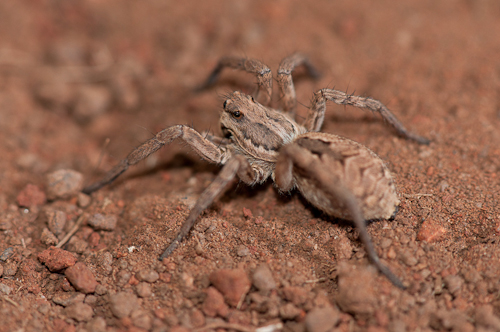
goal of the present experiment is to uncover if dwarf palms (Chamaerops
humilis), by functioning as resource islands providing shelter,
and retaining moisture and nutrients in these sub-dessert habitats,
host natural enemies (predators) that could exert top-down control on
natural prey populations. These predators, together with ecological
theory and further mechanisms we seek to uncover, can later be used to
improve biological pest control in agricultural crops.
In addition, we will test if a decrease in rainfall from climate change can affect the ability of dwarf palms to host populations of natural enemies. This is the reason for why in some of the experimental plots we have established rainfall exclusion roofs.
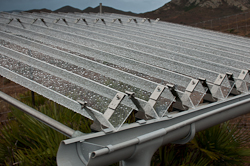
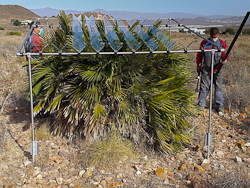
With this experiment, we pursue to value dwarf palms, the only European native species of palm. This is as much as for the high biodiversity that it hosts, as for the potential that such biodiversity could have in biological pest control. At the same time, we hope to raise awareness about the effects of climate change on biodiversity, especially regarding the negative effects that the lack of precipitation could have on shrubs inhabiting semi-arid ecosystems, hampering their role as a shelter for beneficial fauna.
Project
title: Predator spillover effects from resource islands on
surrounding ecosystems
SPILL-ISLAND
PIs: Jordi Moya-Laraño and Marta Montserrat Larrosa
Hosting institutions: Estación Experimental de Zonas Áridas (CSIC) and Instituto de Hortofruticultura Subtropical y Mediterránea “La Mayora” (CSIC)
Institutions with full-time researchers: Universidad de Navarra and Universitat Jaume I.
Institutions with collaborating researchers: Instituto de Investigación y Formación Agraria y Pesquera de Andalucía (IFAPA), Universidad de Almería, Universidad de Granada, Instituto Nacional de Investigación Tecnológica Agraria y Alimentaria (INIA), University of Göttingen, University of Florida, Brandebourg Technical University, University of Canterbury, University of Lisbon, University of Illinois at Chicago.
Collaborating institutions: Parque Natural del Cabo de Gata-Níjar
Funding agency: Agencia Estatal de Investigación (AEI)
Project
reference: PID2019-103863RB-I00/AEI/10.13039/501100011033
Duration: 4 years (Starting date: June 1st 2020)
Contact:
Jordi Moya-Laraño (950 281045 ext. 417 – leave a voice message and
contact details)